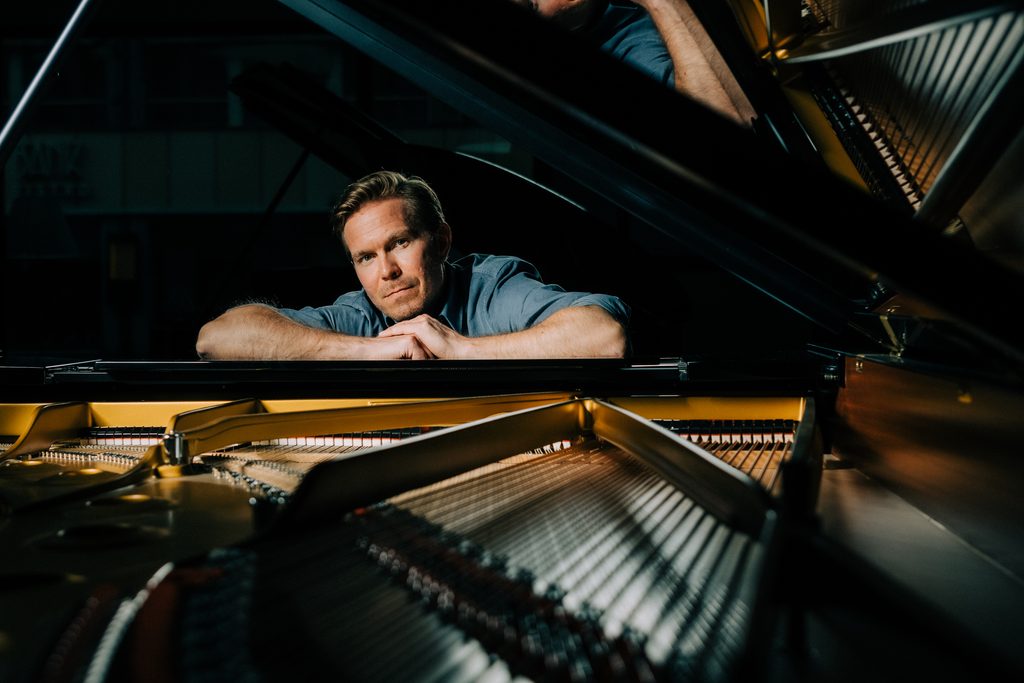
Kokkola travels with me around the world
A childhood home. An idyllic setting. A great place to grow up. When he is on stage as a pianist, his thoughts don’t wander back to Kokkola, but on tour there are plenty of stories to share with fellow musicians. This rich cultural city has produced a remarkable number of outstanding artists. Here is the story of one of them.
Kokkola was a good place for Joonas Haavisto to grow up. His childhood home in the Old Town offered an idyllic setting close to the city centre, while also giving a child just the right amount of freedom to explore.
“The fire lanes gave a little boy the opportunity to sneak from his own yard to the other side of the block without anyone noticing,” Haavisto recalls.
In winter, the streets turned into street-hockey rinks as soon as the first snow had been packed firmly enough. More generally, Kokkola’s recreational opportunities, from outdoor skating rinks to the swimming hall, were put to good use. His grandparents also lived nearby, and Haavisto and his brother would spend afternoons there after kindergarten and school.
“Often, the smell of freshly baked buns would reach us already out on the street. We grew up very close to our grandparents,” he says with a smile.
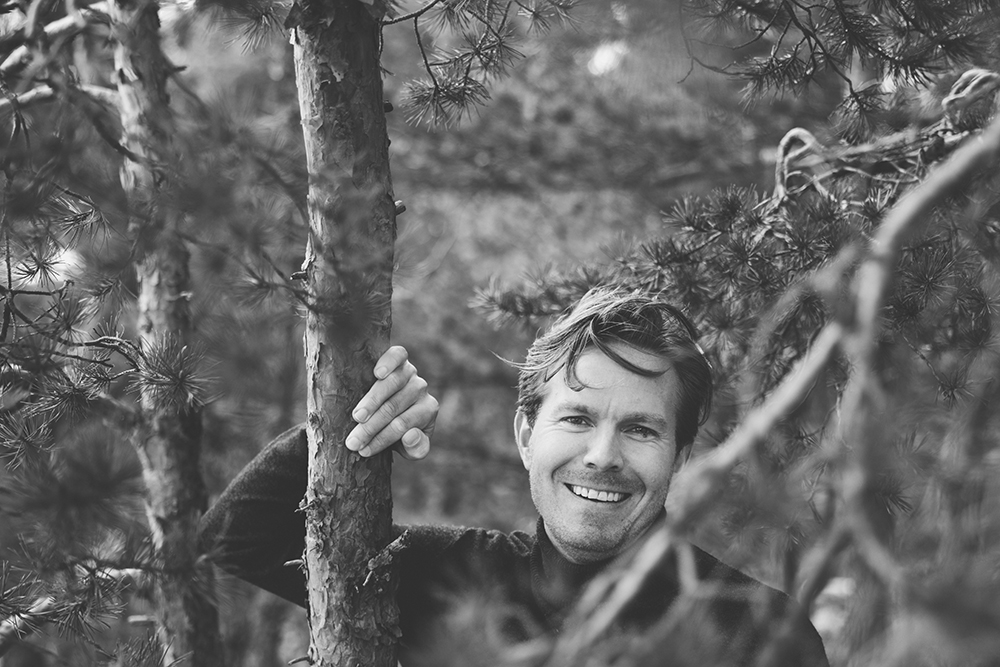
There are also many fond memories from his school years at Hollihaka Primary School, Länsipuisto Lower Secondary School and upper secondary school, and above all from the conservatory, without which Haavisto would hardly be in his current profession.
During upper secondary school, Haavisto began to realise that music was gradually becoming his own path. Despite attending a mathematically oriented school, he was strongly encouraged to pursue music and follow his dreams.
There is a story from that time that has stayed with Haavisto.
“Back then, the principal, Aimo Juntunen, once announced over the loudspeaker in the middle of a lesson: ‘Joonas Haavisto, immediately to the principal’s office.’ My classmates laughed and said, ‘Well, you must have really messed up this time.’”
At the principal’s office, the atmosphere was initially serious. Juntunen sat expressionlessly behind his desk and told Haavisto that his absences had started to pile up on Fridays. Then the tension was finally released.
“He kept me on edge for a little while longer before saying, with a slight smile: ‘Why haven’t you told me that you are studying at the Sibelius Academy in Helsinki? That’s a really wonderful thing!’” Haavisto had never thought that it was something he particularly needed to tell anyone. Nevertheless, the principal’s reaction stayed with him. Perhaps his good academic performance also played a part in Juntunen’s ultimately positive attitude towards the matter.
Kokkola is changing, but familiar places remain
Since then, Haavisto’s life has taken him around the world. Yet when he returns to Kokkola, many places still feel familiar. The Old Town has remained largely unchanged over the decades, as have Engels Park and Länsipuisto Park, the Museum Quarter and the swimming hall.
The old sailing clubs Elba and Mustakari are also important, as are the familiar islands of the archipelago, such as Tankar, Poronluoto and Krunni.
The most important place of all, however, is located just outside the city.
“My grandfather built the cottage in Marinkainen in the early 1960s. I spent all my childhood summers there. The sea is still the place where my mind finds peace, no matter how hard the storm may be raging,” Haavisto says.
The sea is also one of the things that seems to run through Haavisto’s memories of Kokkola from one generation to the next. The Kokkola Works theme, meanwhile, is connected to the story of his mother’s family. In the early 1960s, the family moved from Eastern Finland, from Kotalahti, to Kokkola, following the career opportunities of his grandfather, Paavo Väinölä.
Väinölä had worked as a construction manager at Outokumpu’s factories in Kotalahti and Outokumpu. He was among the first people involved when the factories in Kokkola began to be planned and built.
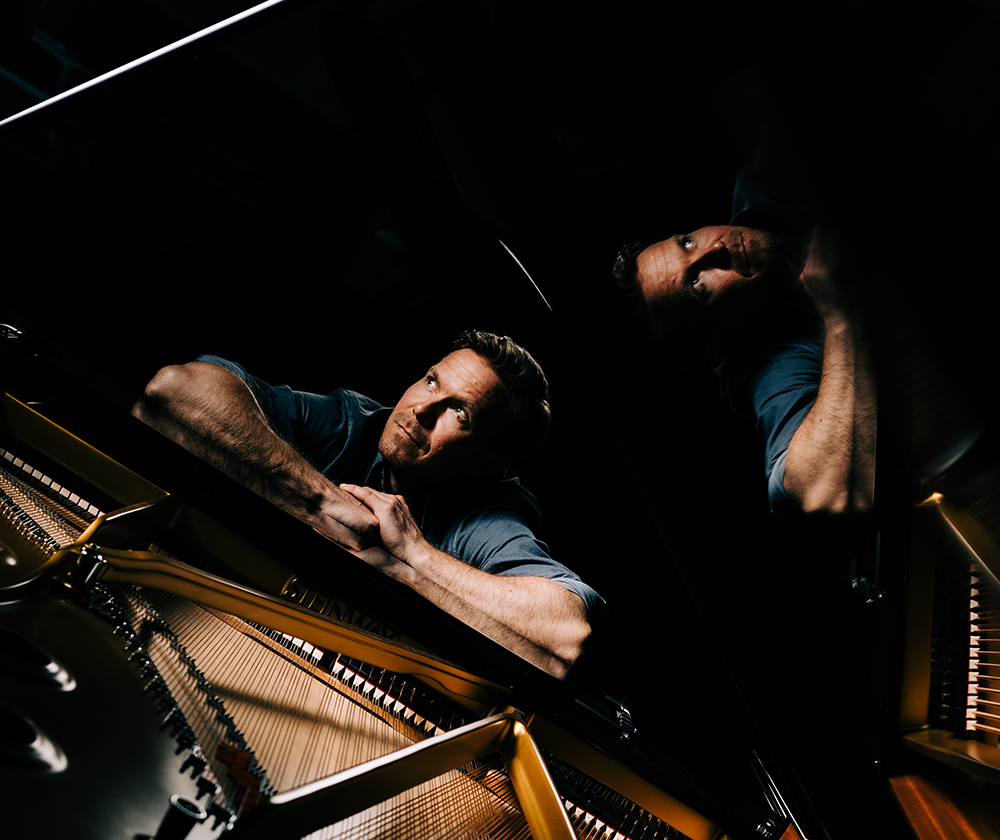
Kokkola travels with him around the world
His work as a pianist takes Haavisto constantly to different parts of the world. On stage, however, his thoughts rarely wander back to his hometown.
“On stage, I usually think of nothing else than how to make my music sound as good as possible in that particular space, and how to convey the feeling to the people who have come to listen to my concert,” he says.
On tour, however, Kokkola often comes up in conversation in a different way. He and other musicians frequently share stories about musicians from previous generations, and according to Haavisto, there is an especially rich history of musicians from Kokkola to talk about.
“An incredibly large number of wonderful artists have come from the culturally rich city of Kokkola. It’s nice to remember them and, at the same time, keep in mind the work they did to open doors for future generations.”
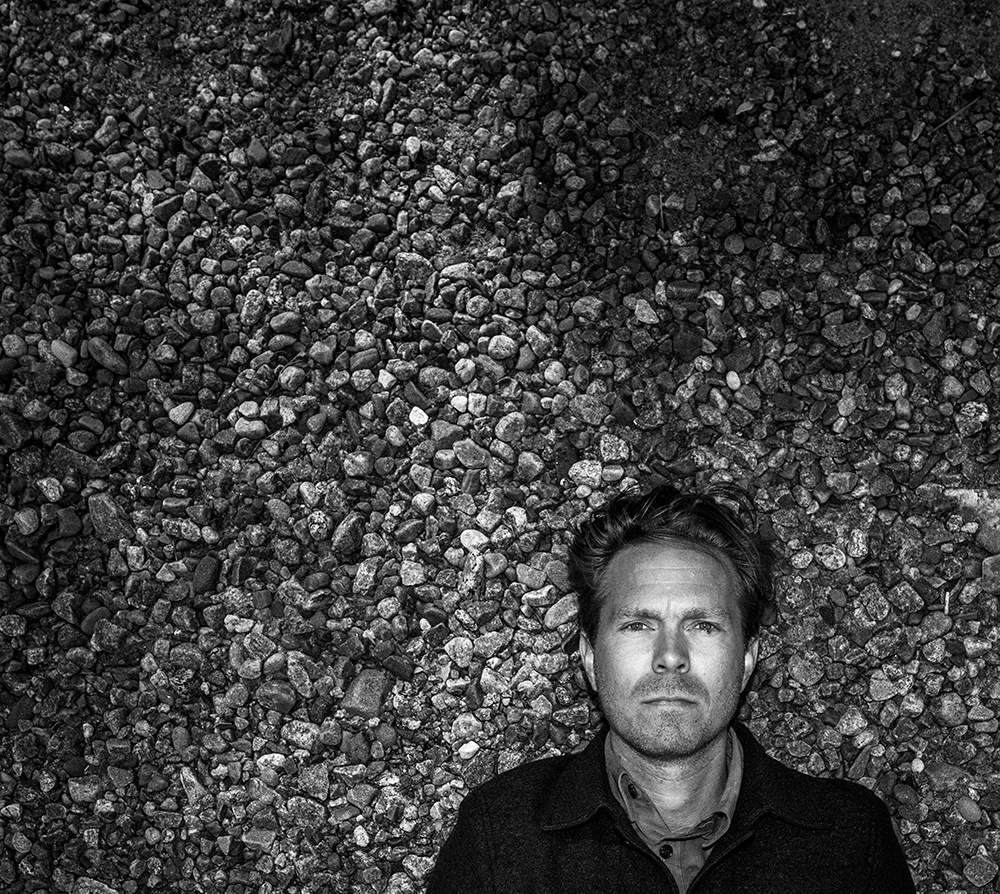
Spending time abroad has also strengthened Haavisto’s appreciation for many of the characteristics associated with Kokkola. The first thing he mentions is the straightforward, down-to-earth nature of people from Ostrobothnia.
“You only promise what you can actually deliver. Sometimes it can even seem like excessive pessimism, but I see it as a way of building trust – and, through that, achieving better results.”
Haavisto also sees Kokkola as having a strong tradition of looking towards the future. According to him, open-mindedness is by no means a new phenomenon in the city, but something that has been part of Kokkola’s character since the days of Anders Chydenius.

He also appreciates the knowledge, craftsmanship and determination found in Kokkola. These qualities can be seen in everything from film, music and boatbuilding to the chemical industry. Even the city’s humour has a distinctly Kokkola character.
“I think Kokkola’s relatively straightforward and dark sense of humour is unique. Icelanders and Mexicans, among others, have a little bit of the same tendency.”
So what would Haavisto’s own sales pitch for Kokkola be if someone asked why they should come to the city to live, work or simply spend some time there? His answer is short.
“Kokkola has a lot to offer in a small package,” he sums up.
It is also a rather good summary of the theme behind the Kokkola Works campaign. In the city, you can build a career, find your own community and enjoy a good everyday life without having to look far for everything you need.